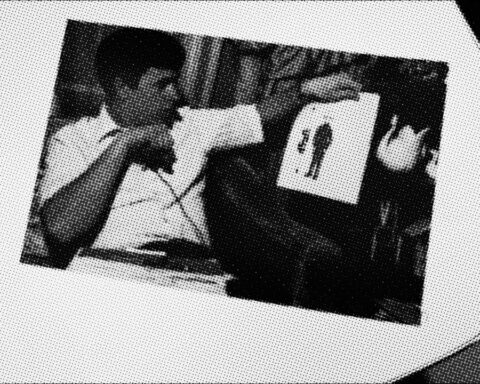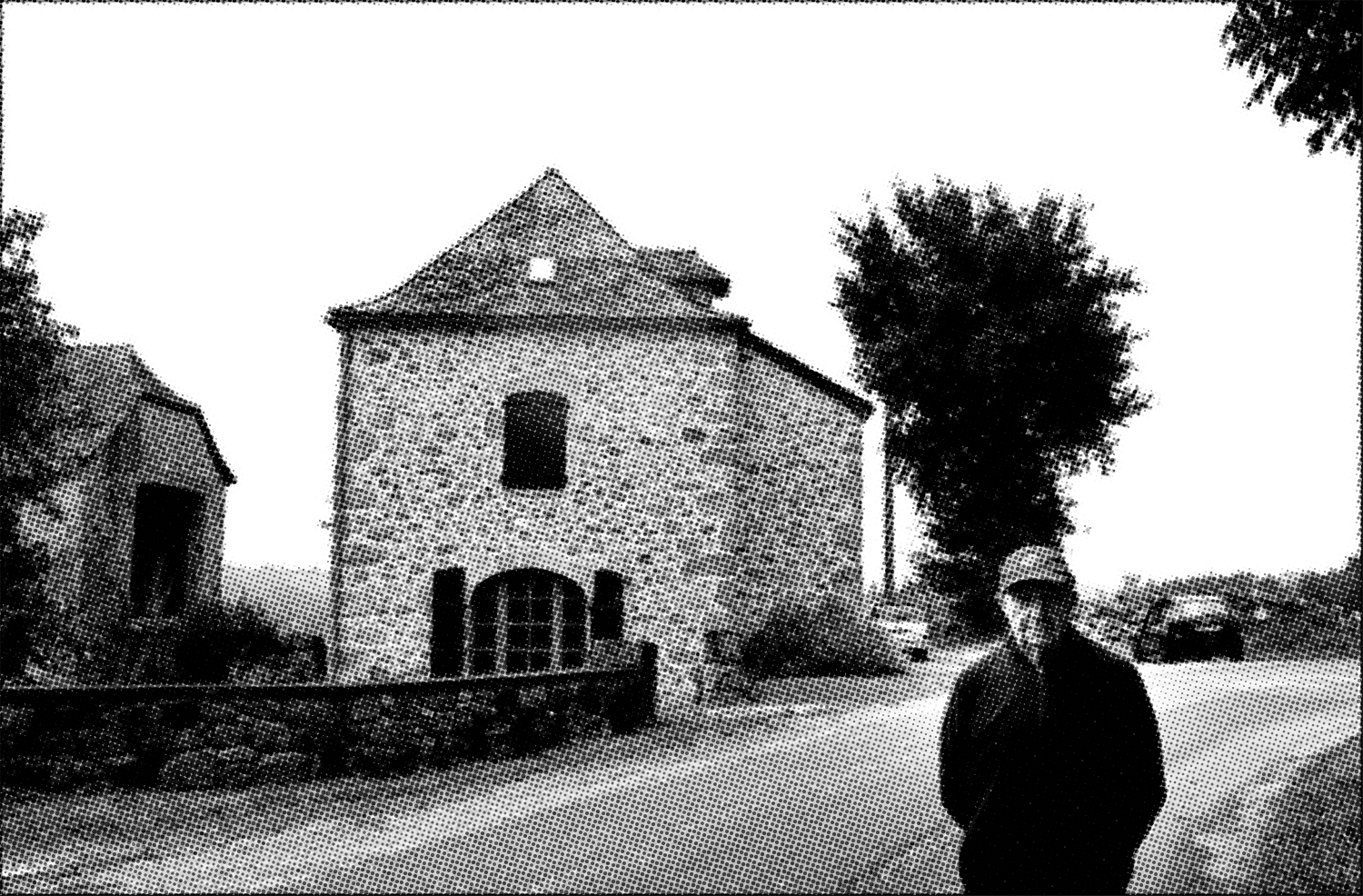
In Jacques Vallée’s 1975 classic The Invisible College, a brief but haunting passage appears under the heading “Aveyron, or the Essence of Prophecy.” It concerns a series of luminous-sphere sightings that plagued an isolated farm in the Aveyron region of southern France between 1966 and 1969. The principal younger witness, later identified as Robert Lortal (known locally as “Roro”), experienced repeated close encounters that culminated in what he would eventually describe as contact of a far more intimate kind. Source[+].
According to Vallée, Lortal, a man who could barely write a simple letter, casually remarked to investigators that he might soon have to write a book. When pressed on the practical difficulty, he answered that “THEY” had told him not to worry.
“When the time is right,” he said, “I will know what to put on paper.” In recurrent dreams that followed the events, Lortal saw men dressed entirely in red, each holding a book and silently pointing at it.
Decades later, Lortal confirmed that he did, in fact, complete a manuscript about his experiences, including claims of being taken to a remote base, sometimes described as Himalayan and receiving extensive information. The writing process, however, was marked by persistent technical interference — his computer repeatedly freezing. Shortly after finishing the work, a large black car appeared and a man in a suit approached.
Lortal later stated that he realized that “it was too soon.” So he burned the manuscript. Location and images.[+]
This episode has the unmistakable hallmarks of the classic Men-in-Black intervention:
- the black vehicle
- the suited visitor
- the sabotage of recording technology
- the enforced delay or destruction of written testimony
Whether these figures represent human agents, something more exotic, or a psychological projection of the phenomenon itself remains open. What is clear is the pattern. The story was “permitted” to surface in interviews and third-party accounts, but the primary written record, the very book the red-clad dream figures seemed to demand — was silenced and erased.
Lortal has spoken publicly in later years, appearing at conferences and in interviews, were his account has been covered in French ufological literature and in many books by others similar investigators. Yet the manuscript he prepared under the apparent instruction of those dream visitors never reached print. It remains one of the quieter, more unsettling footnotes in the long history of contact cases: a book commanded, a daft written, and then deliberately destroyed, leaving only the shadow of what might have been said.