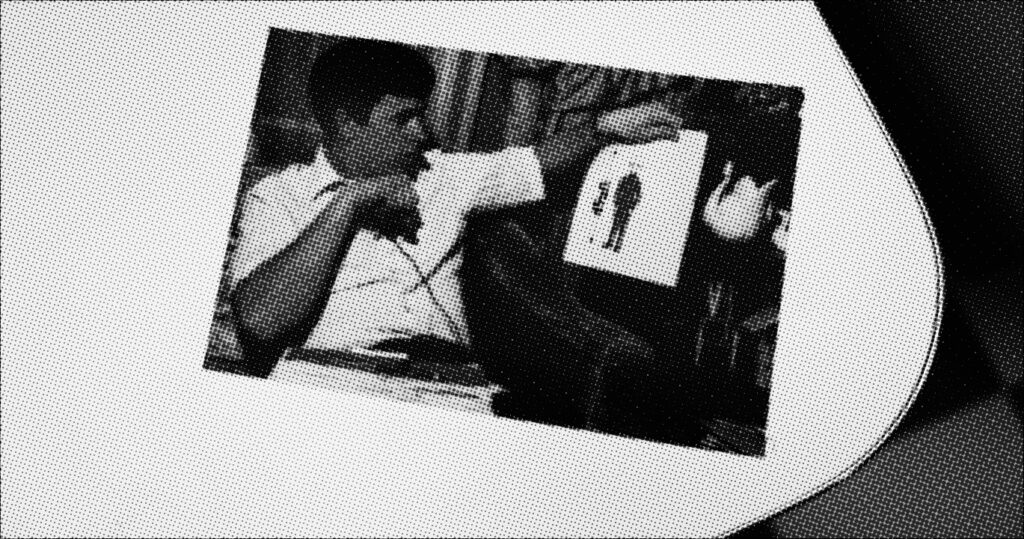
The fog hung low over the Appalachians like a cheap suit on a two-bit grifter, and I was sitting in a hollowed-out shack that passed for my office, nursing a warm bourbon and a colder regret. The file landed on my desk courtesy of an old Cherokee elder who’d seen too many winters. “Moon-eyed people,” he said, voice like gravel under tires. “They were here before us. Pale as ghosts, beards like Spanish moss, eyes big and weepy. Couldn’t take the sun. Only came out when the moon was running the show.”
I lit another cigarette and flipped the pages. This wasn’t some bedtime yarn. Cherokee oral history had teeth. Back when the tribe rolled into the rolling hills of what’s now Georgia, Tennessee, North Carolina, the land already had tenants—short, white-skinned, heavily bearded. They didn’t farm by day like honest folks. No, these characters burrowed into caves and windowless stone dens, waiting for nightfall. Sunlight hit ’em like a spotlight on a stool pigeon; their eyes streamed, vision blurred. Moonlight was their whiskey, their cover. They built in the dark, stacking rocks into walls that still snake across Fort Mountain like a scar that won’t heal.
The war was straight out of a back-alley rumble. Cherokee warriors figured the angle quick. They waited for high noon, when the moon-eyed crew was blind and stumbling, then hit ’em hard. Daylight raids. No mercy. The pale ones broke, fled deeper into the caves or west into the nothing. Survivors? Ghosts in the mist. Colonel Leonard Marbury heard it straight from the elders in 1797. Benjamin Smith Barton wrote it down. Even Governor John Sevier got the story from Chief Oconostota himself: white men from “across the great water” built those stone barricades before the Cherokee ever showed.
I drove up to Fort Mountain at dusk, tires kicking red clay. The wall’s still there—853 feet of zig-zag rock, pits spaced like foxholes, built for defense by somebody who knew a fight was coming. Mainstream eggheads call it Woodland-period Indian work, 500 BC to 500 AD. The Cherokee called it something else: a last stand by the night folk.
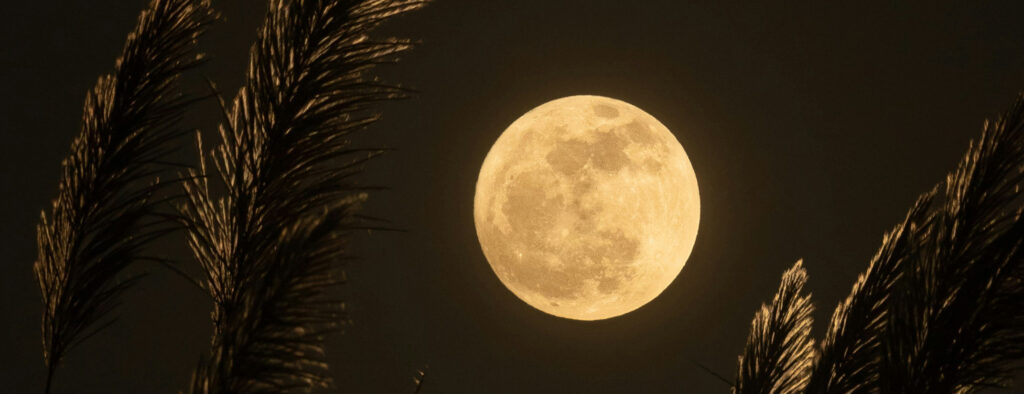
Leads branched like bad debts. One pointed to albinism—a recessive gene running hot in some forgotten Native band. Pale skin, white hair, photophobia that turns daylight into knives. Fits the description cold. Another smelled of salt water: Prince Madoc, Welsh prince, 1170 AD, sailing west with a fleet, vanishing into the Mississippi and up into these hills. Bearded, pale, speaking a tongue nobody here knew. Interbred or holed up until the Cherokee squeezed them out. Sevier swore the chief confirmed it.
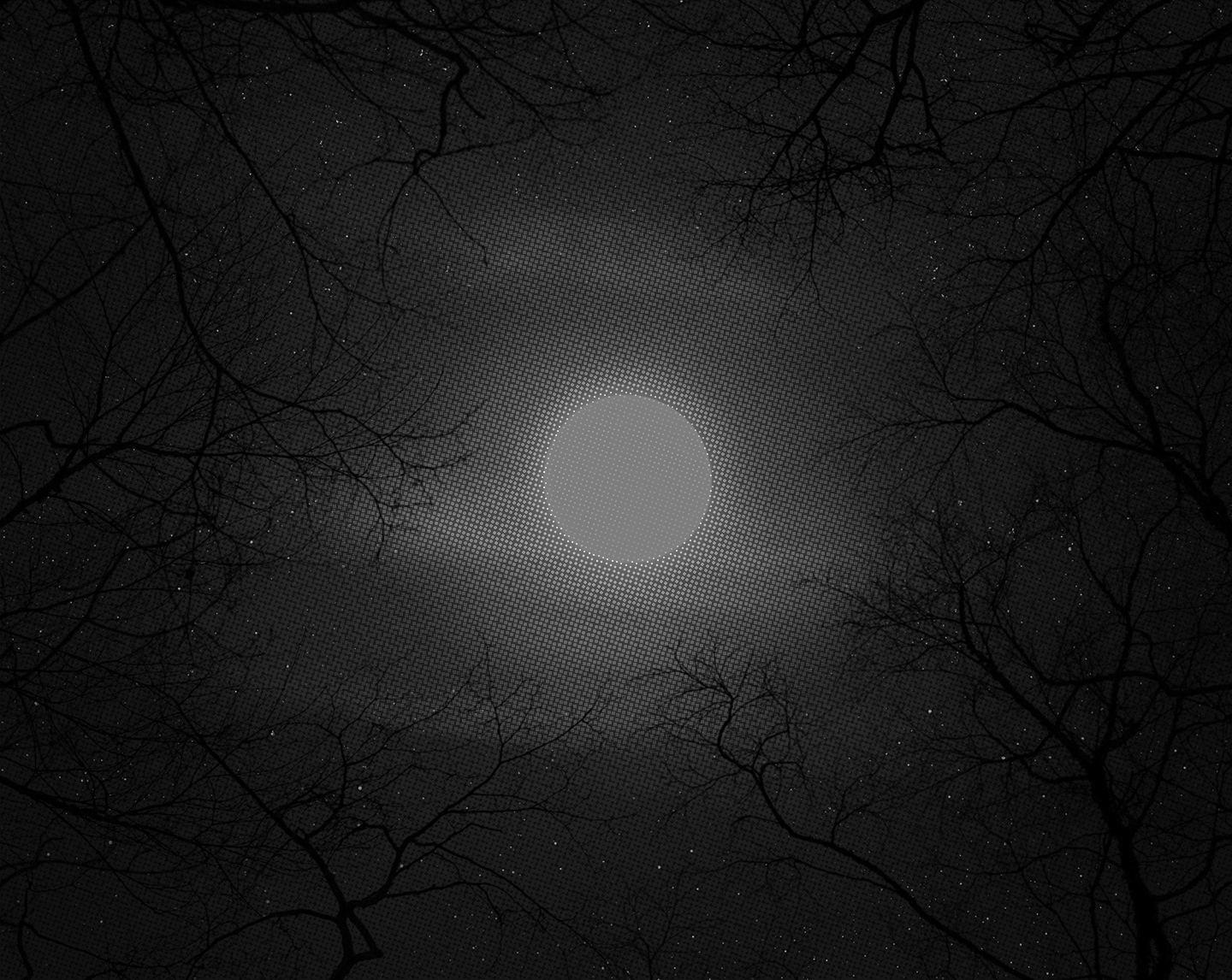
I stood on that wall as the moon climbed, cigarette smoke curling like a question mark. No fingerprints. No DNA. Just legends, stone, and a whole lot of shadow. History’s full of missing persons, but these moon-eyed types took the prize. Driven underground or across the water again, who knows. The case stays open. The mountains don’t talk easy, and the night keeps its secrets.
If you’re ever in the hollows when the fog rolls thick and the moon’s full, listen close. You might hear ’em still—pale feet on wet leaves, eyes like silver dollars, waiting for the sun to quit the game. Me? I’m back in the shack. But the file stays on the desk. Some cases you don’t close. You just learn to live with the dark.
##