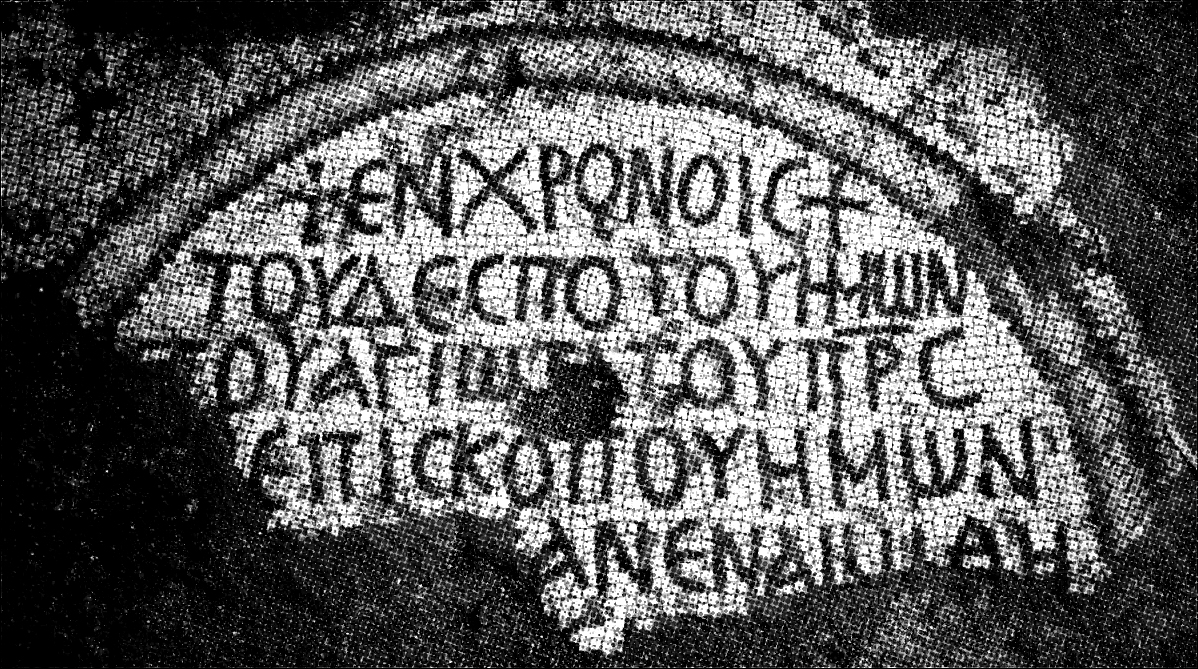
The archaeological find at el-Araj (widely identified as biblical Bethsaida) is genuine and significant. The key mosaic inscription was uncovered during excavations in 2022 (in the diaconicon/sacristy of a 5th-century Byzantine church), not as a brand-new 2025 find. However, a late-summer 2025 wildfire on the northern shore of the Sea of Galilee cleared vegetation, exposed more ruins, and helped confirm structures—stopping dramatically short of damaging the basilica walls, which the team described as a near-miraculous preservation.
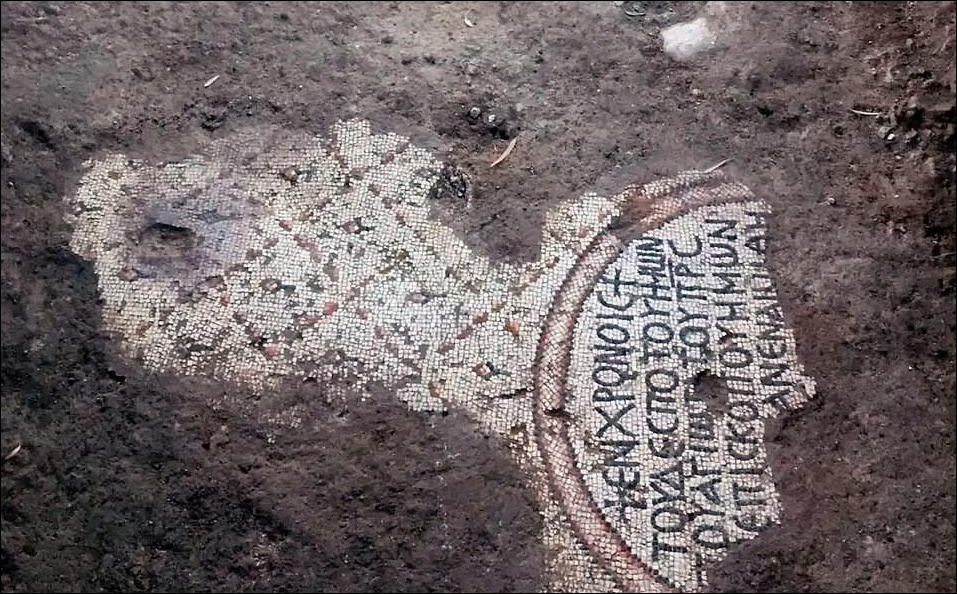
In a remarkable turn of events, a late-summer 2025 wildfire along the northern shore of the Sea of Galilee cleared centuries of overgrowth and helped reveal one of the most significant New Testament-related discoveries in decades.
Archaeologists excavating the ancient site of el-Araj — widely believed to be the biblical village of Bethsaida — uncovered a pristine 5th-century mosaic inside a Byzantine church. The Greek inscription, laid by a donor named Constantine “the servant of Christ,” makes an explicit and powerful appeal to St. Peter, calling him the “chief and commander of the heavenly apostles” and the “keeper of the keys.”
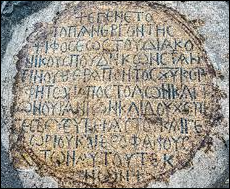
Found in the church’s diaconicon (sacristy), the mosaic provides some of the earliest archaeological evidence of Christians venerating Peter as the holder of heavenly authority — an idea long rooted in the Gospels and the Old Testament imagery of Isaiah 22.
Scholars say the church itself may be the very one described by the 8th-century pilgrim St. Willibald as standing over the former home of the apostles Peter and Andrew.
What was nearly lost to fire has instead become a striking confirmation of early Christian belief at the very place where Peter once lived and walked with Jesus.
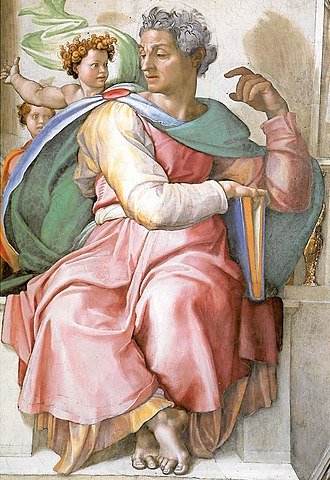
Connection to Isaiah 22
saiah 22 gives the key of the house of David to Eliakim as a faithful steward acting with the king’s authority (“he shall open, and none shall shut…”). This is a classic Old Testament type fulfilled in the New Testament when Jesus gives the keys of the kingdom to Peter (Matthew 16:19) — the same imagery echoed in this 5th/6th-century mosaic calling Peter the “Keeper of the Keys.”
Finding this explicit Petrine “keys” title in a church at Peter’s hometown (Bethsaida, per John 1:44) strengthens the historical and theological link between:
- The Davidic steward in Isaiah.
- Peter’s role as chief steward over Christ’s household/church.
This is exciting for biblical archaeology and for those who see it as material confirmation of early Christian belief in Petrine primacy. The site continues to yield important finds tying the Gospels and Byzantine veneration together.
Space, the final frontier. These are the voyages of the starship Enterprise. Its five year mission: to explore strange new worlds, to seek out new life and new civilizations, to boldly go where no man has gone before!on’t know what it was that bent your life out of shape, but who knows? Maybe I’ve been there too. Maybe I can help. We could work together. I could rehabilitate you. You needn’t be out there on the edge anymore. You needn’t be alone. We don’t have to kill each other. What do you say?
Greek:
☩ Ἐγένετο
τὸ πᾶν ἔργον τῆς
ψιφόσεως τοῦ διακο-
νικοῦ σπουδῇ Κωνσταν-
τίνου θεράποντος Χ(ριστο)ῦ· κορ-
υφὴ τῶν ἀποστόλων καὶ τ-
ῶν οὐρανίων κλ‹ε›ιδοῦχε, πρ-
έσβευε ὑπὲρ αὐτοῦ καὶ Γε-
ωρ(γ)ίου καὶ Θεοφανοῦς
τῶν αὐτοῦ τέκ- νων
☩
English Translation (standard scholarly rendering):
“The whole work of paving the diaconicon with mosaic was done by the zeal of Constantine, servant of Christ. Chief of the apostles and holder/keeper of the keys of the heavenly [spheres], intercede for him and for his children, Georgios and Theophanos.”
Key Phrases Highlighted:
- κορυφὴ τῶν ἀποστόλων = “Chief / head / commander of the apostles”
- τῶν οὐρανίων κλειδοῦχε = “Keeper / holder of the keys of the heavenly [realms]” — directly echoing the “keys” imagery from Matthew 16:19 and the Davidic steward in Isaiah 22.
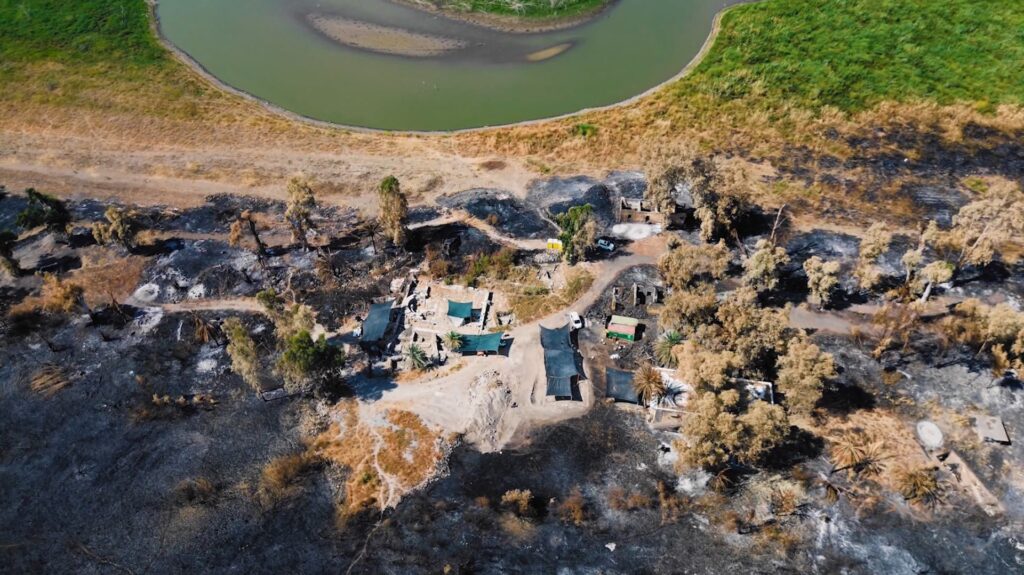
This is a dedicatory prayer asking St. Peter to intercede for the donor and his family.
The mosaic is exceptionally well-preserved, with the Greek letters in dark tesserae standing out against the lighter background. It was found in the room north of the apse (diaconicon/sacristy) of the 5th–6th century Byzantine basilica.
This find remains one of the most direct archaeological links to early Christian veneration of Peter’s authority and the traditional identification of el-Araj as Bethsaida. Scholars like Leah Di Segni (Hebrew University) and the excavation team (Aviam, Notley) published the official readings.
##